
Contents
- 1 How to Maintain Wooden Furniture in India: The Ultimate Care Guide
- 2 1. Understanding the Impact of Indian Climate on Wood
- 3 2. Monsoon Care: Protecting Wood from Humidity
- 4 3. Summer Care: Beating the Harsh Sun
- 5 4. The Golden Rule of Dusting
- 6 5. Termite Prevention: The Silent Killers
- 7 6. Dealing with Stains and Spills
- 8 7. Polishing and Oiling: Restoring the Glow
- 9 8. Maintenance Checklist for Indian Households
- 10 9. Smart Handling Tips
- 11 Conclusion
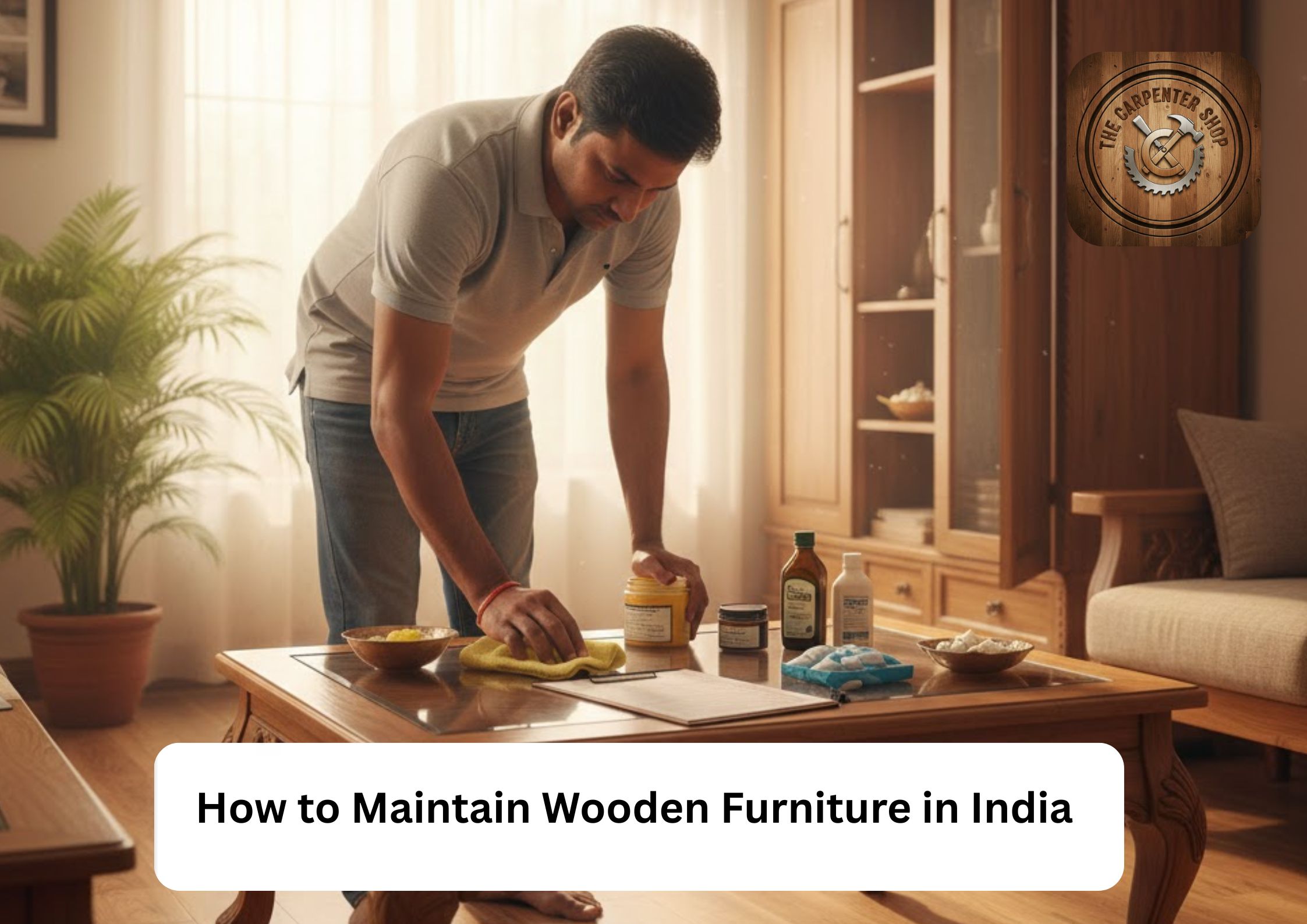
How to Maintain Wooden Furniture in India: The Ultimate Care Guide
Wooden furniture is the soul of an Indian home. Whether it is a heritage Sheesham dining table or a modern Teak wood sofa, these pieces add warmth and elegance to our living spaces. However, the diverse Indian climate—ranging from the extreme heat of the north to the heavy humidity of the coastal south—can be very tough on wood.
If you don’t follow a proper maintenance routine, your expensive furniture can develop cracks, lose its shine, or even fall prey to termites. In this comprehensive guide, we will explore how to maintain wooden furniture in India throughout the year.
1. Understanding the Impact of Indian Climate on Wood
Wood is a “living” material. It expands in humidity and shrinks in dry heat. In India, we face three major challenges:
- Monsoon Humidity: Causes wood to swell and drawers to get stuck.
- Summer Heat: Dries out natural oils, leading to surface cracks.
- Dust & Pollution: Acts like sandpaper, dulling the polish over time.
2. Monsoon Care: Protecting Wood from Humidity
The rainy season is the most dangerous time for furniture. High moisture in the air can lead to fungal growth and warping.
Keep a Distance from Walls
During the monsoon, walls often absorb moisture. Never keep your wooden wardrobes or beds touching the wall. Maintain a gap of at least 3 to 4 inches to allow air circulation.
Use Dehumidifiers and Moisture Absorbers
For expensive walk-in wardrobes, use silica gel packets or camphor balls. They absorb excess moisture and prevent that “musty” smell that is common in Indian homes during July and August.
Avoid Wet Wiping
Never use a soaking wet cloth to clean wood during the monsoon. Use a dry microfiber cloth to wipe away dust. If there is a stain, use a slightly damp cloth and dry it immediately with a second dry cloth.
3. Summer Care: Beating the Harsh Sun
Extreme heat can make the wood brittle. If your furniture is near a window, it is at risk.
Shield from Direct Sunlight
The UV rays from the sun can “bleach” the color of your wood and dry out the polish. Use thick curtains or blinds during the afternoon hours to protect your furniture.
Maintain Indoor Humidity
If you run an air conditioner all day, the air becomes very dry. This can cause the wood to shrink and develop fine cracks. Keeping a small bowl of water in a hidden corner or using a humidifier helps maintain the perfect balance.
4. The Golden Rule of Dusting
In India, dust is everywhere. Most people make the mistake of using a feather duster, which just moves the dust around.
- Microfiber is King: Always use a microfiber cloth. It “grabs” the dust rather than spreading it.
- The “Sandpaper Effect”: If you let dust sit on a table and then slide a laptop or vase over it, the dust acts like tiny sandpaper, leaving permanent scratches on the polish.
5. Termite Prevention: The Silent Killers
Termites (Deemak) are a massive problem in India. By the time you see them, the damage is already done.
- Professional Treatment: If you are moving into a new home, get “Anti-termite treatment” done before the furniture is installed.
- Natural Repellents: Use Neem oil or Kalonji oil on the hidden parts of your furniture once a year. The bitter taste keeps pests away.
- Inspect the Legs: Termites usually travel from the floor. Check the legs of your beds and sofas every month for “mud tubes.”
6. Dealing with Stains and Spills
Whether it is a “Chai” ring or a curry spill, acting fast is key.
- Heat Marks: If a hot plate leaves a white mark, apply a mixture of non-gel toothpaste and baking soda. Rub gently and wipe clean.
- Water Rings: Rub some mayonnaise or petroleum jelly on the ring, let it sit overnight, and wipe it off in the morning.
- Ink Stains: Mix a little baking soda with water to make a paste. Apply, let it sit for a minute, and wipe gently.
7. Polishing and Oiling: Restoring the Glow
In the Indian market, we generally use three types of finishes: Melamine, PU, and Wax.
- Beeswax for Natural Shine: For solid wood like Teak, applying a natural beeswax polish every 6 months nourishes the wood fibers.
- Avoid Silicone Sprays: Many “instant shine” sprays contain silicone. They look good for an hour but create a sticky layer that attracts more dust.
- Professional Refinishing: If your furniture is more than 5 years old and looks very dull, call a professional for a “PU Polish” touch-up.
8. Maintenance Checklist for Indian Households
- Weekly: Dust with microfiber and check for moisture spots.
- Monthly: Check joints and hinges. Tighten any loose screws.
- Quarterly: Use a wood cleaner/conditioner to nourish the surface.
- Yearly: Apply a fresh coat of wax or get a professional inspection.

9. Smart Handling Tips
- Lift, Don’t Drag: Dragging furniture on Indian tiled floors can loosen the joints and scratch the wood. Always lift the piece when moving it.
- Use Felt Pads: Stick small felt pads under the legs of chairs and tables. This prevents the “wood-to-floor” moisture transfer and keeps the joints stable.
Conclusion
Knowing how to maintain wooden furniture in India is not just about cleaning; it is about preserving your home’s legacy. By spending just 10 minutes a week on care, you can ensure your furniture looks brand new for decades.
At CarpenterShop.in, we believe that good furniture deserves good care. If you need professional repair or polishing services, our experts are just a click away.